From a 12.8 V lead-acid drop-in to a 60 V swap pack — the small-format side of the same factory, and where our sealing discipline came from.
Our manufacturing base has been building lithium packs since 2014, starting with waterproof and marine packs. The C&I cabinets came later — the sealing and thermal discipline came from here, not the other way round.
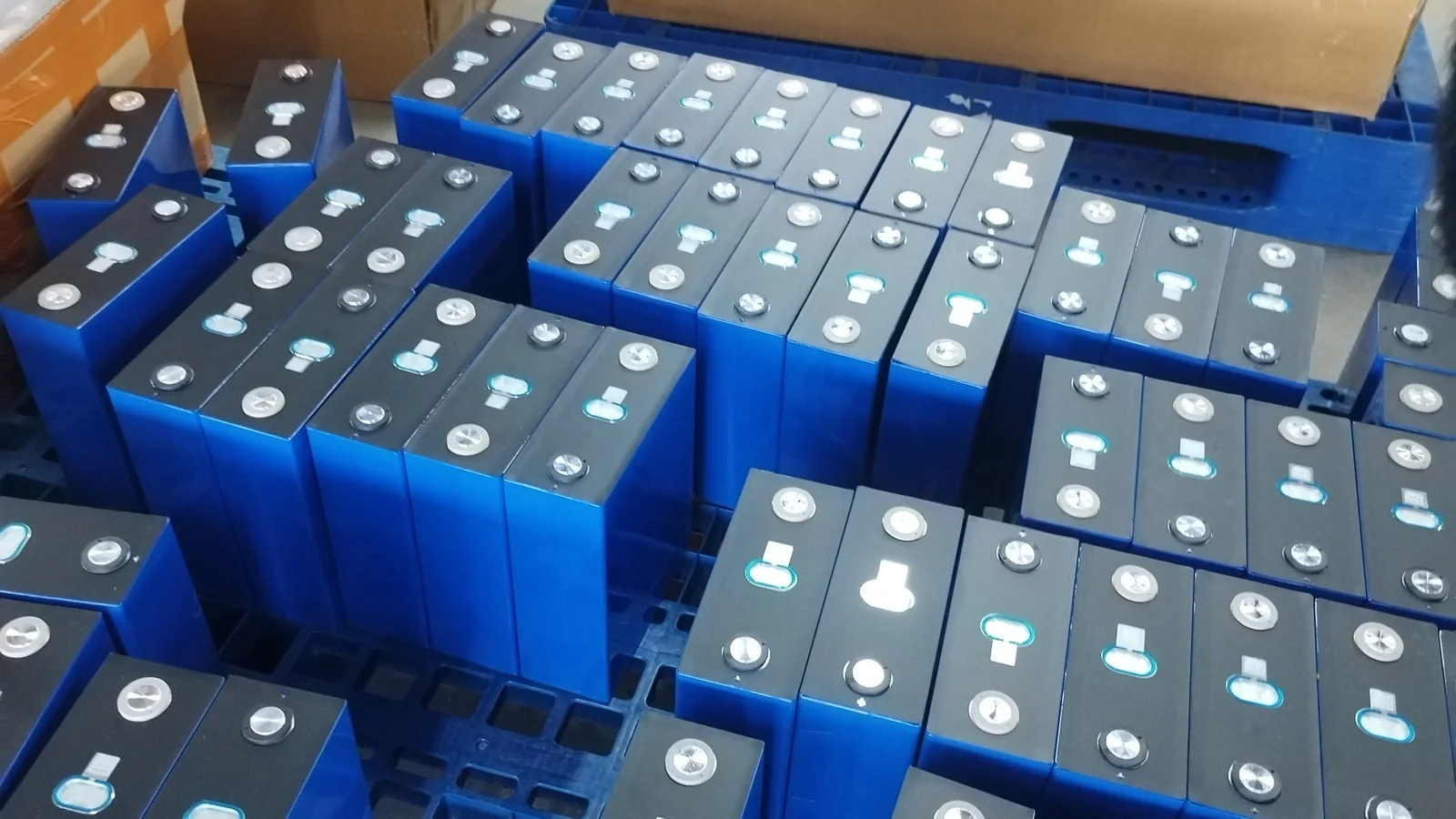
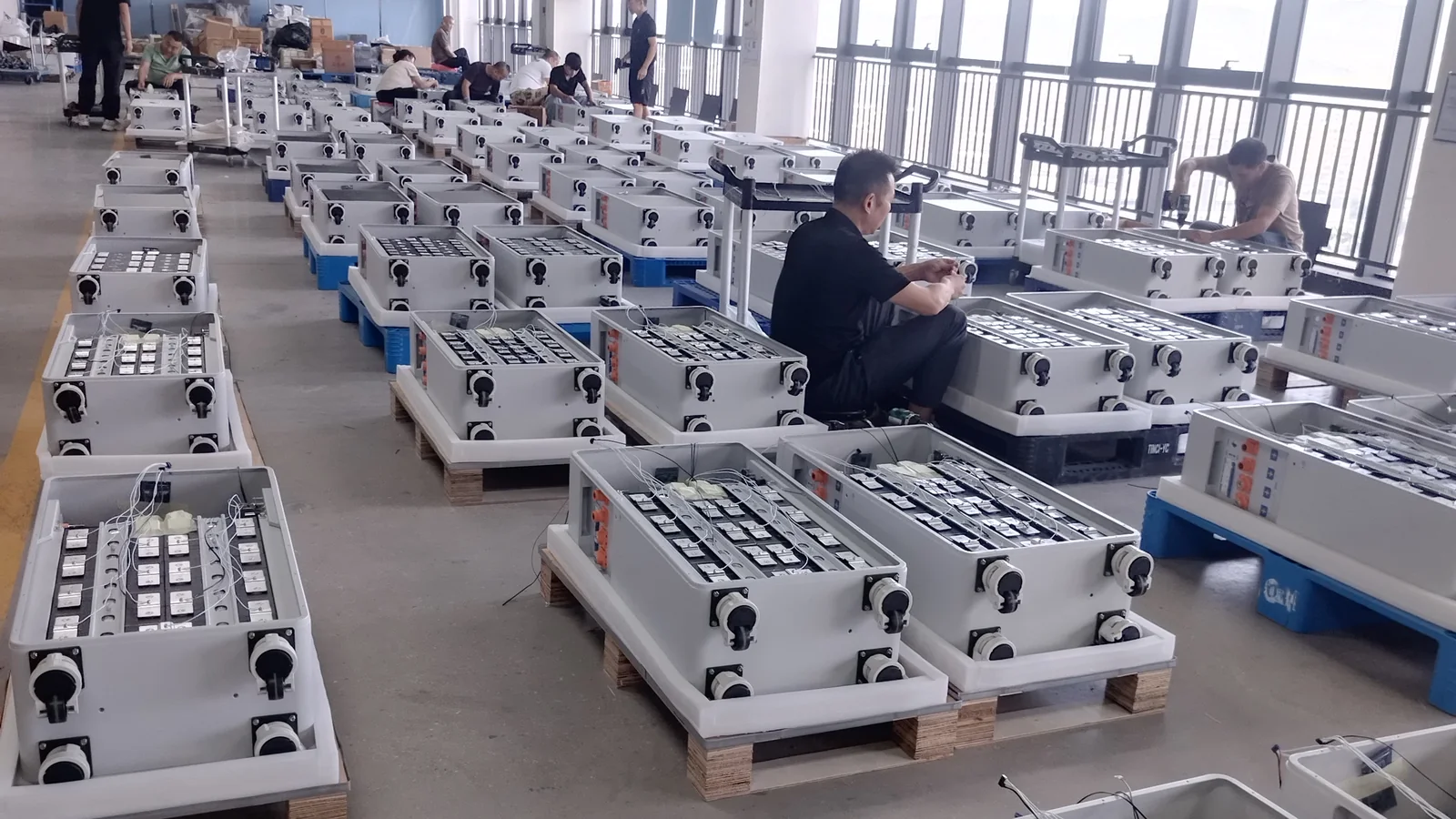
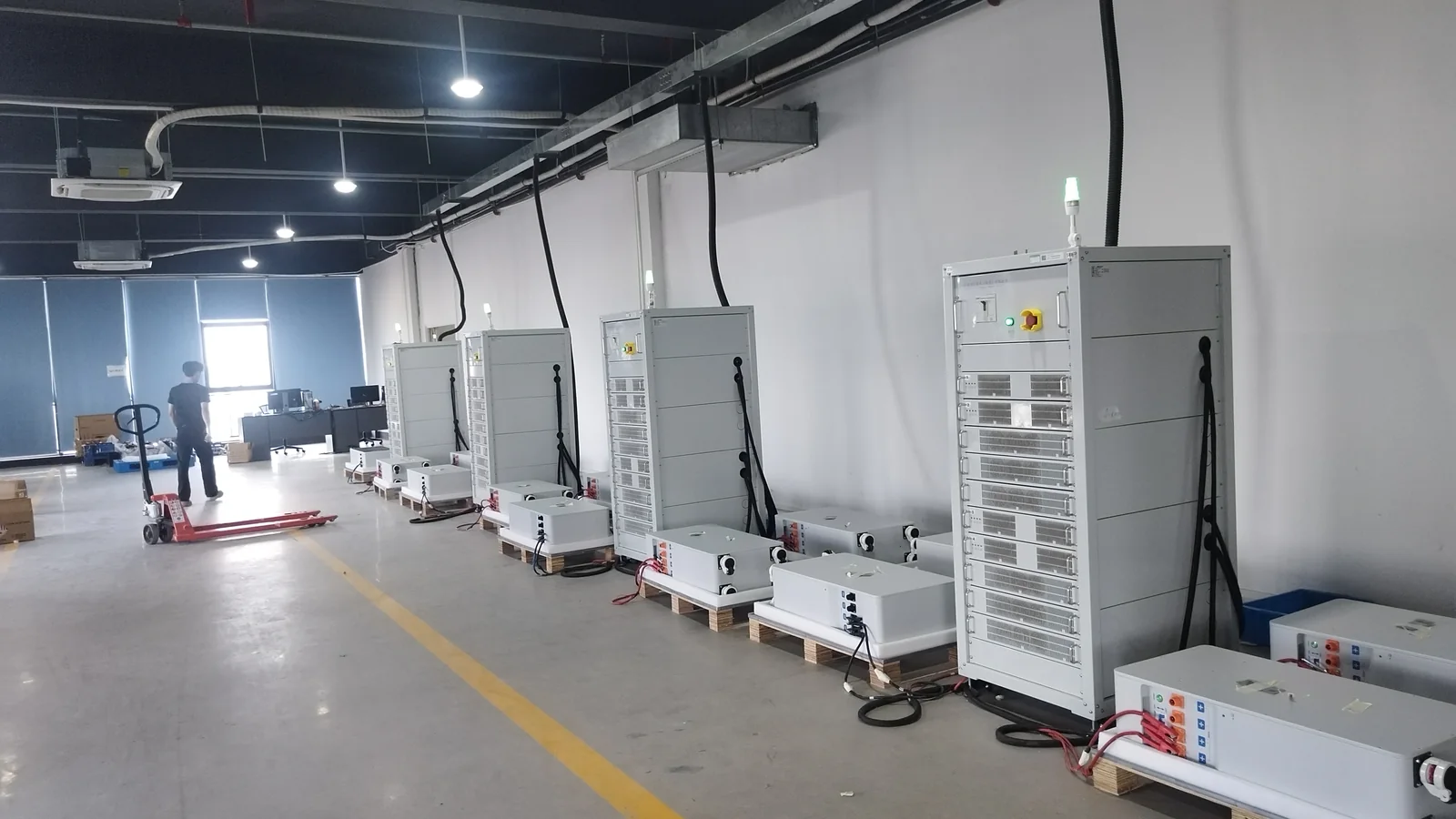
Same gates as the large systems: cells matched before assembly, 100 % hipot, ageing at 1 C with continuous monitoring, and a unique serial on every pack traceable to its cell batch.
Figures are indicative for the standard build and confirmed in the technical annex for your configuration. Anything outside the table is quoted, not assumed.
| Family | Formats | Range | Cycles | Sealing | Typical duty |
|---|---|---|---|---|---|
| Residential storage | Stacked tower · wall-mount · all-in-one | 5–40 kWh, parallel to 60 kWh | > 6,000 | IP20–IP55 | PV self-consumption and backup; integrated heating film for −20 °C sites |
| Lead-acid replacement | 12.8 / 24 / 48 V bloc | 100 / 200 / 300 Ah | 3,000+ | IP62 | 1:1 drop-in at roughly half the weight; UPS, telecom, street lighting, CCTV |
| Light electric vehicle & swap | Swap pack · rack pack | 60 V 50 Ah, 100 A max discharge | > 2,000 | IP65 | Two- and three-wheel fleets, battery-swap networks, last-mile delivery |
| Marine & electric raft | Sealed pack with BMS and telemetry | 76.8 V 11.5 kWh | > 2,000 | IP67 | Electric raft and small craft; GPS and 4G remote monitoring integrated |
| Portable power | Portable inverter unit | 1 kWh, 2 kW output | > 2,000 | IP20 | Outdoor, emergency and off-grid use; cylindrical LFP cells |
| Telecom & data centre | 19-inch rack module | 51.2 V 100 / 150 / 220 / 325 Ah, 15 in parallel | > 6,000 | IP20 | Base-station and data-centre standby, UPS, cold-start duty |
No stock images. Every photograph on this site was taken on the floor of the facility that builds the packs.
12 V to 1,000 V class platforms, 4 Ah cells to MWh containers, IP20 to IP68. Custom BMS parameters, enclosure, connector, label and packaging.
Your brand on the outside, our serial inside — so a warranty claim two years later is still a database lookup.
Voltage window, capacity, continuous and peak current, duty cycle, enclosure, connector, communication protocol.
A datasheet, a dimensioned drawing and a sample plan. No sample before the drawing is agreed.
UN 38.3 summary, factory test report against the serial, certificate of conformity, manual.
Voltage window, energy, power and C-rate, duty profile, installation environment, destination country. That is enough for a first proposal.